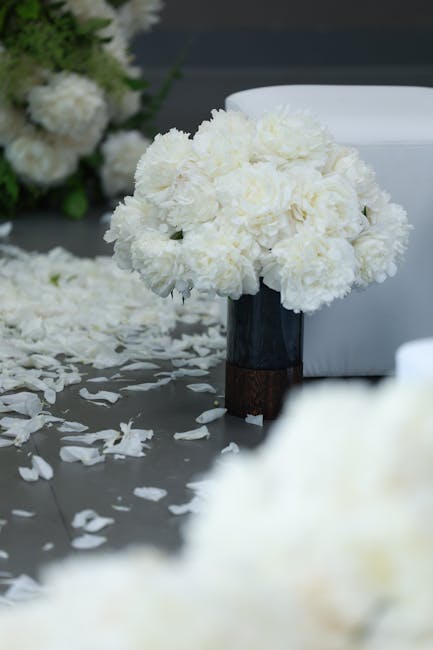
Wedding flowers Roehampton University ceremony styling
Posted on 16/10/2026
If you are planning Wedding flowers Roehampton University ceremony styling, you are probably juggling a few things at once: the feel of the ceremony, the practicalities of the venue, and the quiet worry that the flowers might look lovely in theory but awkward in the room. Fair enough. University weddings have their own character, and that can be brilliant if you style them properly. A campus setting can feel elegant, modern, and refreshingly personal - but only if the flowers support the space instead of fighting it.
This guide walks through how to choose, style, and place wedding flowers for a Roehampton University ceremony with confidence. You will find ideas for bouquets, buttonholes, aisle and signing-table styling, colour palettes, budget choices, and a few common mistakes that can trip people up. We will also look at when a fuller wedding flower package makes sense and when a simpler approach is smarter. Truth be told, the best ceremony florals are rarely the most complicated ones.
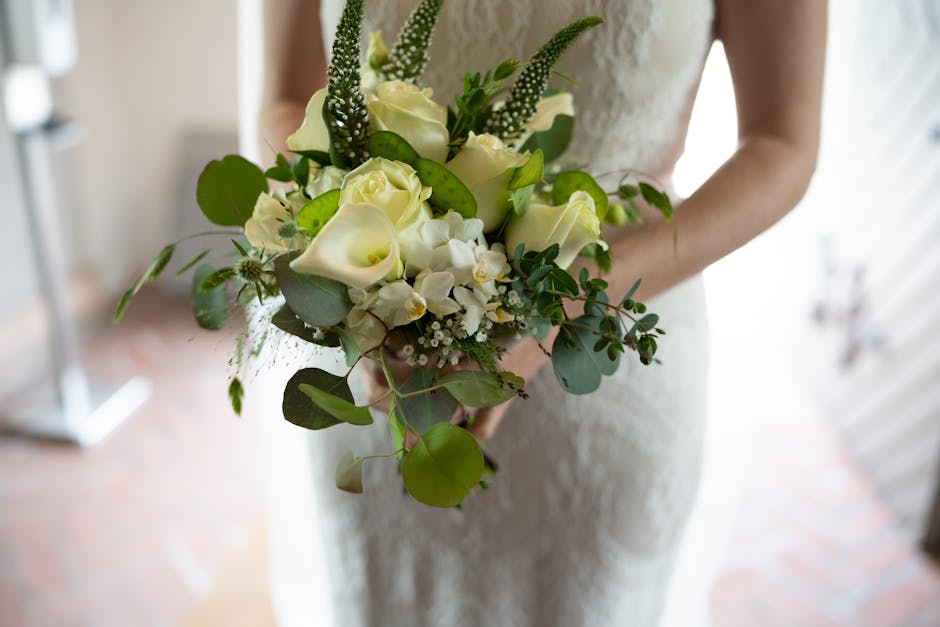
Table of Contents
- Why Wedding flowers Roehampton University ceremony styling Matters
- How Wedding flowers Roehampton University ceremony styling Works
- Key Benefits and Practical Advantages
- Who This Is For and When It Makes Sense
- Step-by-Step Guidance
- Expert Tips for Better Results
- Common Mistakes to Avoid
- Tools, Resources and Recommendations
- Law, Compliance, Standards, or Best Practice
- Options, Methods, or Comparison Table
- Case Study or Real-World Example
- Practical Checklist
- Conclusion
- Frequently Asked Questions
Why Wedding flowers Roehampton University ceremony styling Matters
Flowers do more than decorate a ceremony. They shape how the room feels the second guests walk in, how the photographs read later, and how polished the whole occasion appears. At a university venue like Roehampton, that matters even more because the setting may combine formal architecture, academic interiors, landscaped grounds, or mixed-use spaces. One area might feel bright and airy, while another is more structured and traditional. The styling has to connect those moods.
That is where thoughtful floral design earns its keep. A soft focal arrangement can warm up a lecture-style room. A small aisle design can stop a ceremony space from looking bare. And bouquets with the right scale can make the wedding party look cohesive rather than slightly lost in a large venue. You know the feeling when a room is technically beautiful but a little cold? Flowers fix that, quickly and without being loud about it.
There is also a practical reason. Weddings at venue spaces connected to campuses often run to a schedule, with set access windows and limited time for setup. Styling has to be efficient, transport-friendly, and easy to place. So the floral plan should be both pretty and realistic. That combination is what tends to deliver the best result, not sheer volume.
Expert summary: The best Roehampton University ceremony flowers are usually the ones that respect the architecture, suit the lighting, photograph well, and can be installed without drama. Simple? Not always. Worth it? Absolutely.
How Wedding flowers Roehampton University ceremony styling Works
Wedding ceremony styling usually starts with the space itself. Before talking about roses or peonies or anything else, think about where the couple will stand, where guests will sit, what will be visible in photographs, and what the venue already offers. In a university setting, the room may already have strong visual lines, good natural light, or striking background features. The flowers should echo that rather than compete with it.
In practical terms, the styling process usually breaks into a few layers:
- Personal flowers such as the bridal bouquet, bridesmaid bouquets, buttonholes, and corsages.
- Ceremony focal flowers like pedestal arrangements, front-table designs, or an altar-style feature.
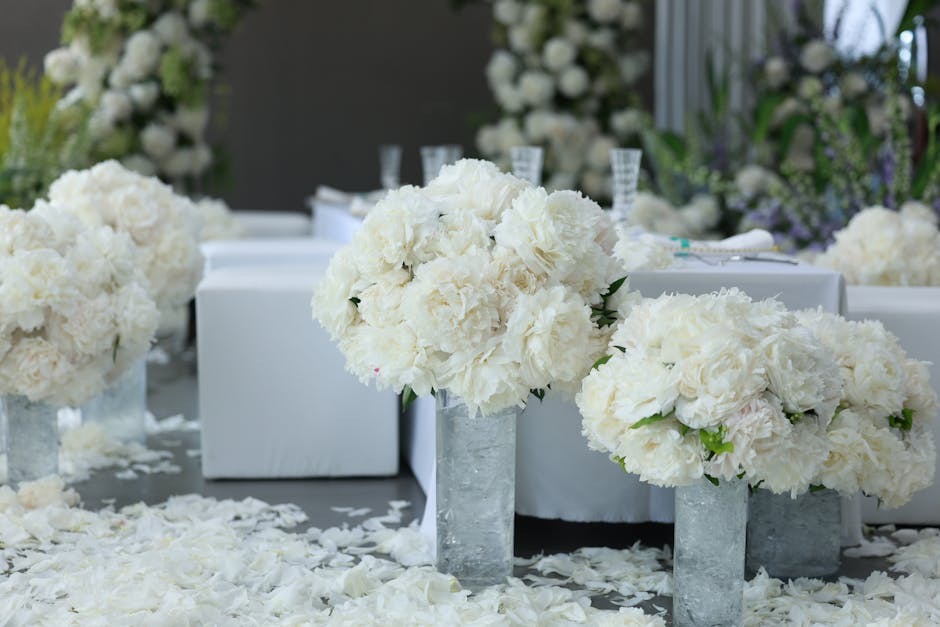
- Supporting florals for aisle ends, aisle petals, signing tables, or entrance details.
- Reception continuity if the wedding flowers move into a nearby meal or drinks setting later in the day.
A good florist will usually begin with a mood conversation, not a product list. Do you want classic romance, contemporary minimalism, or a softer garden look? Will the ceremony be indoors or outside? Will guests be close to the flowers, or will they be seen from a distance? These answers shape stem choice, arrangement size, vessel style, and colour intensity.
For Roehampton University ceremony styling, scale is especially important. A small arrangement can disappear in a tall room, but oversized florals can overwhelm a compact one. And if the venue has a lot of architectural detail already, the floral design may need to be refined rather than busy. Think clean lines, balanced texture, and colour harmony.
If you are building a wider wedding flower plan, it can help to browse a focused wedding range such as wedding flowers and ceremony collections alongside your venue styling choices. That makes it easier to keep the bridal bouquet, bridesmaid flowers, and ceremony pieces visually connected instead of looking like separate orders from different weddings. Which, let's face it, nobody wants.
Key Benefits and Practical Advantages
Good ceremony styling brings both emotional and practical benefits. It is not just about making things "look nice" for the sake of it. The right flowers solve real problems.
They create a clear visual story
The ceremony is the emotional centre of the day, and flowers help frame that moment. A cohesive floral palette brings the room together, especially in a venue with varied surfaces, furniture, or lighting conditions.
They improve the photographs
Wedding photos depend on contrast, framing, and background shape. Well-placed florals create soft edges behind the couple, define the signing area, and help the photographer avoid empty spaces in key shots. Even a single well-positioned arrangement can make a noticeable difference.
They help the venue feel personal
A university setting can feel elegant but impersonal unless you soften it. Flowers add warmth, and warmth is what makes the space feel like your ceremony rather than just a room you hired for an hour or two.
They can be tailored to budget and style
You do not need a wall of flowers to make an impact. A clever styling plan can use fewer focal pieces with smart placement, or use more modest stems in richer groupings. There is usually a sweet spot between too little and too much. Finding it is the craft.
They help the day run smoothly
Well-planned florals are easier to install, easier to move, and easier to repurpose later in the day. That matters when timings are tight. Nobody wants a beautiful arrangement that takes three people, two ladders, and a prayer to position correctly.
| Styling goal | Best floral approach | Why it works at a university venue |
|---|---|---|
| Formal ceremony feel | Structured focal arrangements with neat lines | Matches architectural symmetry and looks polished in photos |
| Soft romantic look | Loose bouquet styling with garden-inspired textures | Balances harder interior surfaces and adds warmth |
| Modern minimal style | Fewer stems, strong shape, restrained palette | Keeps the room fresh and uncluttered |
| Budget-conscious styling | Prioritised focal pieces plus personal flowers | Creates impact where guests and cameras will notice most |
Who This Is For and When It Makes Sense
This kind of styling makes sense for couples who want the ceremony to feel intentional without turning the day into a production. That includes couples marrying on campus, in a university room used for private events, or in a nearby ceremony space that has a formal institutional feel.
It is a strong fit if you:
- care about photographs and want the flowers to frame the moment properly
- need the decor to suit an academic or heritage-style environment
- want a clear colour palette across bouquet, buttonholes, and ceremony flowers
- need a florist who understands setup timing and venue logistics
- prefer practical elegance over very elaborate installations
It also makes sense if your ceremony and reception are slightly different in style. For example, you might have a crisp, classic ceremony setup at Roehampton University and then move into something warmer and more relaxed later. In that case, the flowers can bridge the two moods, which is surprisingly useful.
If your wedding is intimate, the styling can be kept light and focused. If it is a larger gathering, you may need more defined focal points so the room does not look underdressed. Both are valid. The trick is matching the scale of the florals to the scale of the space and the scale of the guest list. Sounds obvious, maybe. In reality, people get it wrong all the time.
Step-by-Step Guidance
Here is a practical way to plan the flowers without spiralling into too many mood boards and not enough decisions.
- Start with the ceremony layout. Mark where the couple will stand, where the registrar or officiant will be, and what the main camera angles will likely capture. This determines where flowers actually need to go.
- Choose the floral mood. Classic, romantic, modern, seasonal, or soft and natural? Pick one direction first. It is much easier to build detail once the mood is settled.
- Select a colour palette. White and green is timeless. Blush and ivory feels soft. Richer tones work beautifully in evening light or autumn settings. Keep the palette tight so the room feels intentional.
- Decide the priority pieces. Most ceremonies need a bridal bouquet, bridesmaid bouquets if relevant, buttonholes, and at least one focal arrangement. Add aisle or table florals if the venue layout justifies them.
- Think about seasonality. Seasonal flowers usually feel fresher and often give better value. They also tend to look more natural together because the stems are behaving in a similar way.
- Confirm transport and installation. Ask how the flowers will be delivered, who places them, how long setup needs, and whether anything can be repurposed after the ceremony.
- Review the finish in daylight and photos. Some flowers look softer in person than online, and some colour combinations brighten up under natural light. A quick visual check helps avoid surprises.
For ceremony-specific pieces, it helps to choose flowers designed for wedding use rather than general gifting. A dedicated bridal bouquet, for example, will be balanced for carrying, while a table arrangement is built for viewing height and shape. If you need ceremony florals that are already grouped by use, the bridal bouquet selection on bridal bouquet designs and bridesmaid bouquet options can help you compare styles more quickly.
Buttonholes deserve a mention too, because they are small but visible. For a polished ceremony, men's buttonholes should echo the bouquet rather than compete with it. You can keep things neat with coordinated options like wedding buttonholes. Little detail, big difference.
Expert Tips for Better Results
Here is the part that often separates a pleasant setup from a genuinely memorable one.
1. Use the room's architecture as your guide
If the space is tall and formal, lean into structured arrangements and clean symmetry. If it is softer or more intimate, looser shapes usually work better. The room tells you what it wants. You just have to listen a bit.
2. Keep the bouquet scale in proportion
A bridal bouquet should suit the body, the dress, and the venue. In a grand room, a small bouquet can look underpowered. In a compact space, a huge bouquet can dominate every photo. Neither is ideal.
3. Pick one hero feature
Do not try to make every floral element the star. Choose one thing to lead - maybe the bridal bouquet, maybe the ceremony focal arrangement - and let the other elements support it. That gives the whole look more calm and confidence.
4. Let texture do some of the work
You do not need a riot of colour if you have enough texture. Roses, lisianthus, orchids, hydrangeas, and softer filler stems can create depth without making the design busy. Texture catches light nicely too, which matters in photographs.
5. Ask about reuse
Good ceremony flowers should not disappear after the vows. Pedestal arrangements can sometimes move to the reception entrance or top table. Bouquets can be displayed later in vases. It is a sensible use of the budget and feels less wasteful.
6. Think about scent carefully
Strong fragrance can be lovely, but not every ceremony room benefits from it. If your guest list includes people sensitive to scent, or the room is enclosed, choose with care. A softly scented bouquet is often safer than one that announces itself from the doorway.
7. Order with a realistic timeline
Wedding flowers are one of those things that reward calm planning. Leave enough time for colour choices, design tweaks, and venue coordination. The earlier you get the key decisions locked in, the less last-minute stress you carry. And honestly, the quieter the morning, the better.
A small human note here: many couples think they need to know every single stem before they enquire. You really do not. A decent florist can work from mood, palette, and budget first, then refine the details. That is normal.
Common Mistakes to Avoid
Most floral problems at venue ceremonies come from a handful of predictable missteps. Easy to avoid once you know them.
- Choosing flowers before understanding the room. A design that looks perfect in a rustic barn may look wrong in a formal university setting.
- Overcrowding the space. More flowers are not always better. If the room is already visually strong, too many arrangements can make it feel cluttered.
- Ignoring transport and timing. Ceremony flowers must arrive in good condition and be ready when the venue is ready, not when the florist is free.
- Mixing too many colour directions. A palette that wanders can make the ceremony feel less elegant, even if each flower is lovely on its own.
- Forgetting the photographs. A flower may look fine in person but vanish in pictures if it is placed too low, too far back, or against a busy background.
- Leaving buttonholes and personal flowers as an afterthought. They are part of the visual story, not add-ons.
One common issue in university-style spaces is scale panic. People either under-order because they worry about cost, or over-order because they fear the room will look empty. Usually, the better answer is targeted impact: a strong bouquet, a couple of well-shaped focal pieces, and neat coordinating details.
Also, try not to choose stems just because they are popular online. Trends are useful, but they should never overrule the venue, season, and the actual look you want. That glossy Pinterest bouquet might be gorgeous. It still needs to work in your room.
Tools, Resources and Recommendations
You do not need a giant planning system to get this right, though a few tools make the process much easier.
- A simple mood board with colour swatches, dress images, and a couple of venue photos helps you communicate what you want.
- A floor plan or room sketch is useful for marking focal points and walking routes, especially if guests will move from one area to another.
- A shortlist of flower types keeps decisions manageable. For example, roses, orchids, lisianthus, hydrangeas, and seasonal foliage give plenty of room to build a sophisticated scheme.
- A timing checklist prevents the flowers from being left until the last week, which happens more often than people admit.
- A trusted florist collection that already groups wedding items can save a lot of back-and-forth.
If you are comparing styles, browsing a wedding-focused range such as a coordinated wedding collection or a more traditional option like white wedding styling can help you judge whether you prefer modern, classic, or softly romantic design. If your taste leans richer and more polished, a more luxurious collection may be a better fit.
For ceremony pieces with different visual roles, you can also compare table arrangements, corsages, and bouquet-led styles. It is easier to build a coherent plan when the component parts are grouped sensibly. That is just good housekeeping, really.
Law, Compliance, Standards, or Best Practice
For wedding flowers, the main compliance issues are usually practical rather than legal. There is no special flower law for a university ceremony, but there are still expectations you should take seriously.
First, the venue may have its own access rules, setup windows, and restrictions on what can be attached to walls, floors, or fixtures. Always confirm those details before the wedding day. Universities often take building care seriously, and rightly so. If an arrangement needs stands, weights, or no-damage display methods, the florist should plan accordingly.
Second, best practice means considering allergies, scent sensitivity, and safe positioning. Florals should not obstruct exits, snag walkways, or block sightlines for the ceremony. That sounds basic, but basic is good when people are walking, sitting, and photographing at the same time.
Third, if you are using candles, glass, or any decorative extras with flowers, ask the venue about permitted items and placement. Floral styling should enhance the ceremony safely, not create a last-minute tidy-up issue. In a formal setting, neatness is part of the brief.
Finally, good wedding floristry should come with clear communication about substitutions, seasonal availability, and delivery expectations. If a specific stem is unavailable, the florist should explain the change clearly and keep the overall look aligned. That is a normal standard of service, and a sensible one.
Options, Methods, or Comparison Table
There are several ways to approach Roehampton University ceremony styling, and the right one depends on the room, budget, and visual goal.
| Approach | Best for | Strengths | Watch-outs |
|---|---|---|---|
| Minimal styling | Smaller ceremonies or tighter budgets | Clean, elegant, easy to install | Can feel sparse in a larger room |
| Balanced classic styling | Most couples wanting timeless appeal | Reliable, photographic, versatile | Needs good scaling to avoid looking generic |
| Romantic garden style | Soft, natural, textural weddings | Warm and flattering in photos | Can become too loose if not controlled |
| Luxury focal styling | High-impact ceremony spaces | Strong visual statement and presence | Needs careful planning and budget discipline |
If you are not sure which route to take, a balanced classic plan is usually the safest starting point. You can then add one or two statement details if the room needs more personality. That approach is especially useful in formal venues where you want elegance without overcomplicating the space.
Case Study or Real-World Example
Picture a couple planning a late-morning ceremony in a Roehampton University room with pale walls, good daylight, and fairly simple seating. They want the setting to feel romantic, but not fussy. They have a modest guest list, so the room must not look overdone.
Instead of spreading the budget thinly across lots of tiny arrangements, they choose a stronger bridal bouquet, matching bridesmaid bouquets, neat buttonholes, and two elegant focal pieces near the front. The palette is soft white with gentle blush and green foliage. Nothing too wild. The aisle is left clean, which works because the architecture already does some of the visual heavy lifting.
The result is calm and considered. Guests notice the flowers immediately, but the room still feels breathable. In the photos, the bouquet stands out nicely, and the couple's position at the front is framed rather than buried in decoration. Later, one of the focal arrangements is moved to the reception entrance, which makes the whole day feel more joined up.
That kind of plan is often better than trying to put flowers everywhere. Focus wins. Every time, almost.
Practical Checklist
Use this checklist when you are finalising Wedding flowers Roehampton University ceremony styling.
- Have you confirmed the ceremony room layout and guest flow?
- Do you know the main colour palette?
- Have you chosen the bridal bouquet style and size?
- Are bridesmaid bouquets, buttonholes, and corsages coordinated?
- Do you know which flowers will be the focal point?
- Have you checked whether the venue allows stands, petals, or attached decor?
- Have you allowed time for delivery and setup?
- Will any ceremony flowers be reused later in the day?
- Have you considered scent sensitivity and visibility?
- Is the floral style consistent with the dress, suits, and overall wedding theme?
If you can answer yes to most of those, you are probably in a strong place. If not, no panic - just tighten the plan now rather than the week before. That really does save nerves.
Conclusion
Wedding flowers Roehampton University ceremony styling works best when it feels elegant, practical, and tailored to the space. The right florals do not shout. They settle the room, frame the ceremony, and make the photographs feel complete. That is the quiet magic of good wedding flowers - they help the day feel like itself.
Whether you want a simple, refined arrangement or a more layered floral story, start with the venue, then the mood, then the practical details. Scale matters. Timing matters. And if you get those right, everything else falls into place more easily than you might expect.
If you are still refining your floral plan, take one more look at the ceremony room and imagine how the flowers will feel from the front row, not just from the mood board. That little shift usually clarifies things fast.
Get a free quote today and see how much you can save.
And honestly, when the flowers are right, the whole day breathes a little easier. That is the bit people remember.
Frequently Asked Questions
What flowers work best for a Roehampton University ceremony?
Classic roses, orchids, lisianthus, hydrangeas, and seasonal foliage often work well because they adapt to both formal and modern spaces. The best choice depends on the room, colour palette, and how much impact you want from the ceremony styling.
How many floral arrangements do I need for the ceremony?
It depends on the size of the room and the look you want. Many ceremonies are well covered with a bridal bouquet, matching bridesmaid bouquets, buttonholes, and one or two focal arrangements. Larger rooms may need more structure.
Do I need flowers for both the ceremony and reception?
Not necessarily. Some couples use ceremony flowers only, while others repurpose the same arrangements for the reception. Reuse is often a smart choice if you want good value and a more joined-up look across the day.
Can I keep the styling minimal and still make an impact?
Yes. A minimal scheme can look very polished if the bouquet is well designed and the focal flowers are placed carefully. In a strong architectural space, less can honestly be more.
How far in advance should I book wedding flowers?
It is sensible to start planning several months ahead, especially if you want specific flowers or a particular style. Earlier planning also makes it easier to coordinate with the venue and confirm setup details.
What if the flowers I want are out of season?
A good florist will suggest alternatives that keep the same mood and colour feel. Seasonal substitutions are normal, and they often work better than forcing a flower that is not naturally available at the right time.
Are white wedding flowers too plain for a university venue?
Not at all. White and green can look extremely refined in a formal setting. The key is using shape, texture, and proportion well so the design feels layered rather than flat.
Should the bridesmaid bouquets match the bridal bouquet exactly?
They should coordinate, but they do not have to be identical. Often it looks better if the bridesmaid bouquets are slightly smaller or simplified while staying within the same palette and flower family.
What should I ask the florist before booking?
Ask about venue experience, delivery timing, installation, substitution policies, reuse options, and whether they can help match bouquet flowers with ceremony pieces. Clear answers here usually indicate a well-organised service.
Can flowers help make a university ceremony feel more romantic?
Absolutely. Soft colours, gentle textures, and well-placed focal arrangements can warm up an academic or formal room very quickly. The trick is to work with the venue rather than trying to disguise it.
How do I keep flower costs under control?
Prioritise the pieces guests will see most: the bridal bouquet, key ceremony focal arrangements, and buttonholes. Choose seasonal stems where possible, and consider reusing flowers later in the day. That usually gives the best value.
What is the best way to make sure the styling suits the room?
Share photos of the venue with your florist and talk through the layout before confirming the design. If possible, discuss the room's proportions, light, and where the couple will stand. That usually prevents awkward scale issues later on.